
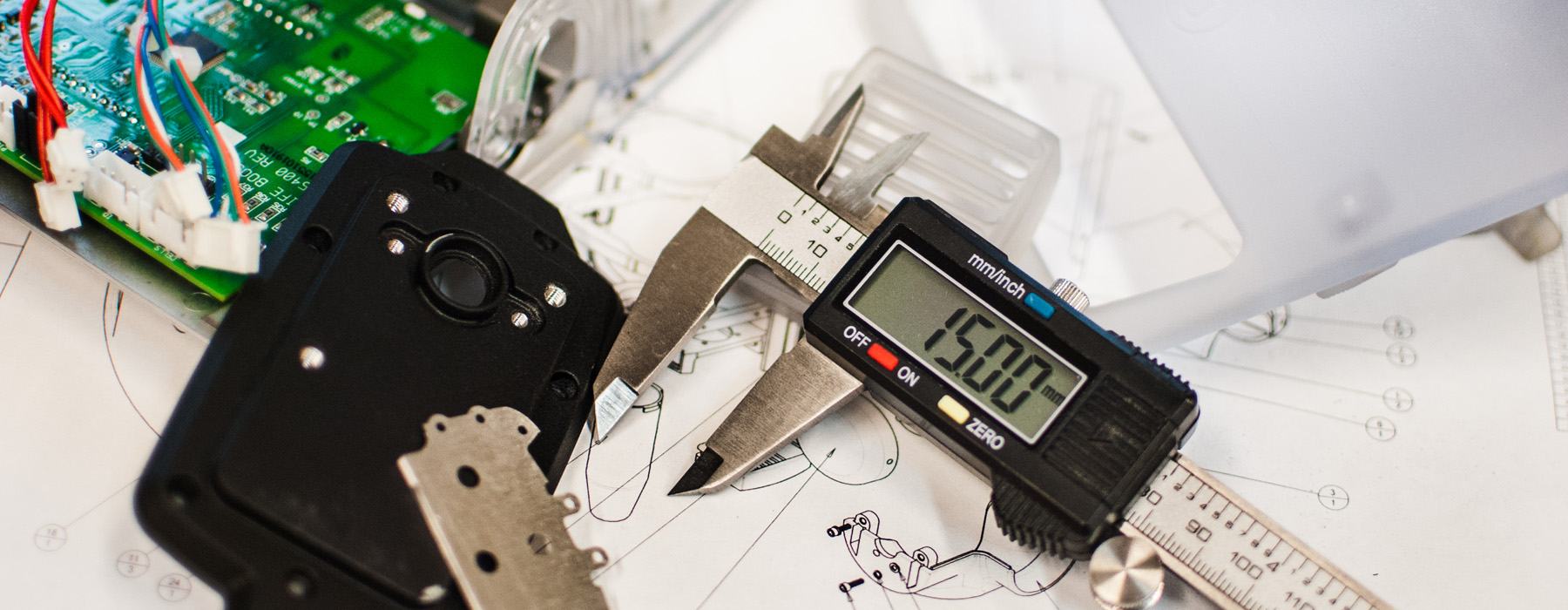
Mechanical engineering in product design is the process of turning creative concepts into functional, manufacturable products — ensuring every detail works in the real world. At KEK, mechanical engineering is where ideas get real. It’s where we move from concept to creation; solving complex problems, refining details, and making sure a product not only looks great but works seamlessly in the real world. Mechanical engineering ensures our designs are manufacturable, functional, and durable. It's the bridge between imagination and execution.
Why Mechanical Engineering Matters
Mechanical engineering plays a pivotal role in turning bold ideas into tangible, working products. It’s not just about parts and materials, it’s about systems, performance, and feasibility. Our engineers work closely with industrial designers to bring form and function together in harmony, ensuring every detail is dialed in for real-world use.
Design for Functionality
A great idea is only as good as its ability to work in reality. Our mechanical engineering team considers every functional requirement, how it moves, connects, assembles, and endures. We think about the forces involved, the tolerances required, and the user interactions that define product performance.
Performance and Reliability:
From prototypes to production, our engineers make sure a product not only works once, but works every time. This means rigorous problem-solving, deep technical knowledge, and anticipating how a product will behave over time, under pressure, and in the hands of real users.
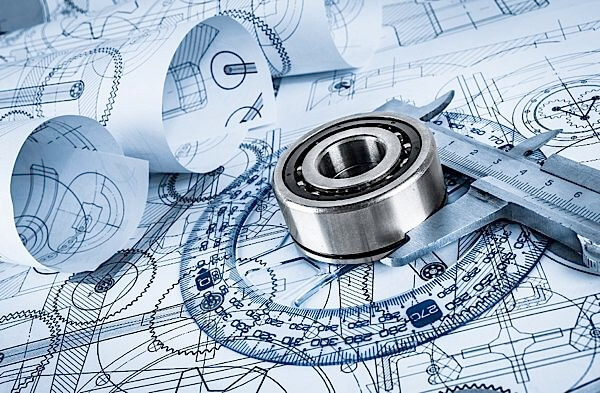
Collaboration From the Start
Mechanical engineering isn’t an afterthought, it’s built into the process from day one. Our engineers sit side-by-side with designers, contributing early to brainstorming sessions, sketch reviews, and concept validation. This collaboration ensures that ideas stay grounded in reality without limiting creativity.
Feedback Loops:
Tight feedback cycles between design and engineering lead to better decisions, faster. Whether it’s adjusting geometry for better fit or refining a mechanism for smoother motion, this integrated approach helps us move quickly and build smarter

Prototyping With Purpose
Mechanical engineering drives our prototyping efforts. We build and test iteratively, constantly learning from how things fit, move, and feel. These physical insights inform both design refinements and technical improvements.
Hands-On Testing:
There’s no substitute for holding and testing a real object. Our engineers use prototypes to validate ideas, test mechanisms, and uncover hidden challenges early, before they become expensive problems later.
Design for Manufacturing
Part of our job is ensuring that when a product leaves our hands, it’s ready for production. That means designing with manufacturing constraints in mind—material selection, tooling processes, assembly methods, and cost considerations are all part of the equation.
Scalable Solutions:
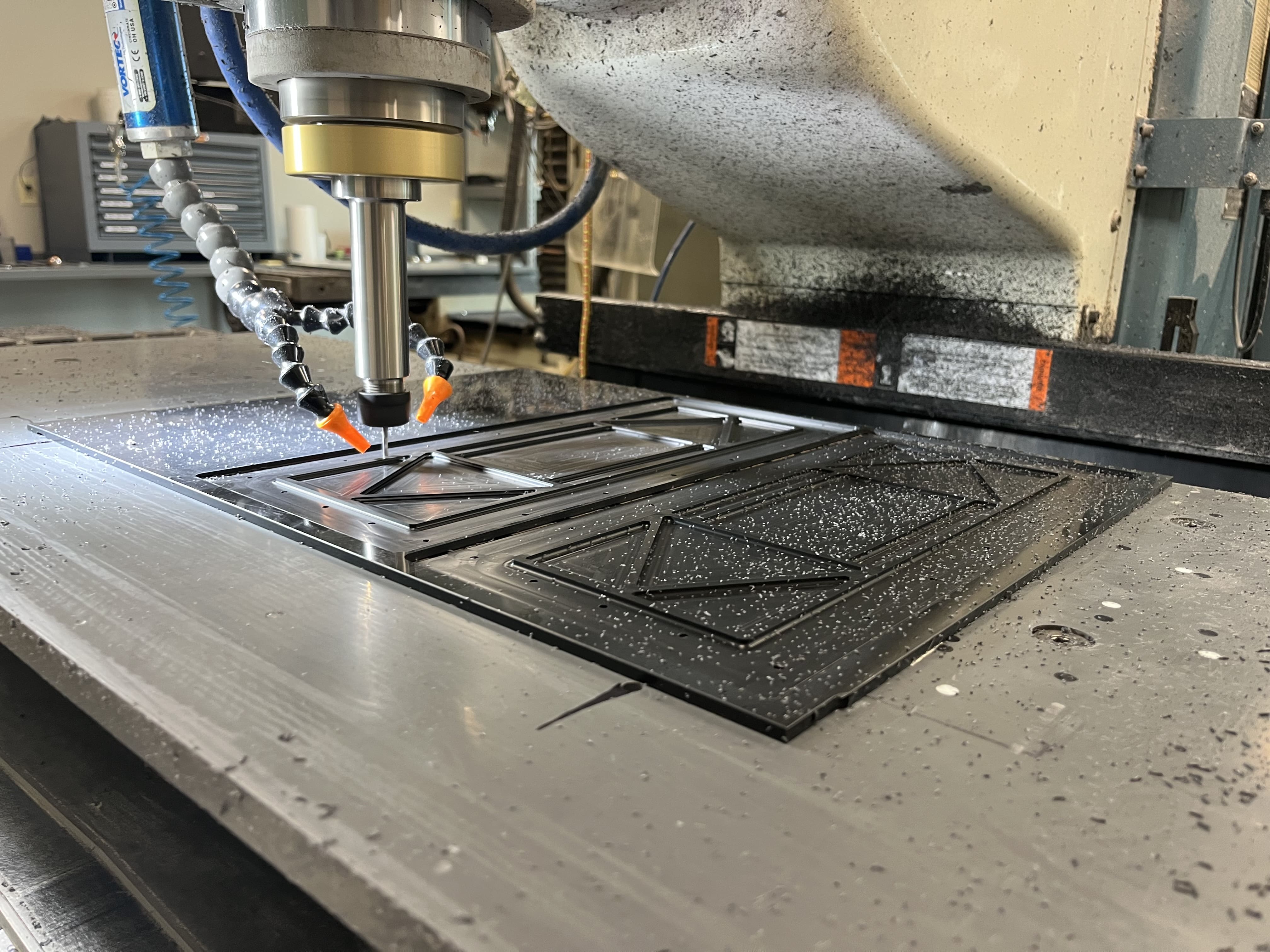
We design products that are ready for the real world. Whether it’s injection molding, CNC machining, or custom mechanisms, our mechanical engineering team makes sure the path to production is clear and efficient.
Production Documentation:
As part of our handoff, we deliver detailed technical drawings and CAD packages that manufacturers rely on to produce the product accurately. These documents communicate every critical dimension, tolerance, material spec, and assembly requirement, bridging the gap between development and fabrication.
Frequently Asked Questions About Mechanical Engineering in Product Design
What is mechanical engineering in product design?
Mechanical engineering in product design is the process of making sure a product idea can be manufactured, assembled, and used reliably. It bridges the gap between creative concepts and real-world functionality by focusing on performance, materials, and feasibility.
Why is mechanical engineering important in product development?
Mechanical engineering ensures that products are not only visually appealing but also functional, durable, and manufacturable. Without it, designs may fail in real-world use or become too costly to produce at scale.
How does KEK Design approach mechanical engineering?
At KEK Design, mechanical engineers work alongside industrial designers from day one. This collaboration ensures creative ideas stay grounded in reality, while still pushing boundaries. Our team considers functionality, reliability, prototyping, and manufacturability throughout the process.
What does “design for manufacturability” mean?
Design for manufacturability means creating products that can be efficiently produced with the right materials, processes, and costs in mind. It includes choosing appropriate methods such as injection molding or CNC machining and ensuring technical drawings and CAD files communicate all critical details to manufacturers.
Final Thoughts
Mechanical engineering is the engine behind our ideas. It’s how we ensure our designs aren’t just exciting on paper, they’re robust, reliable, and ready to make an impact. At KEK Design, mechanical engineering is where creativity meets precision — and where great ideas become great products. Ready to bring your concept to life? Contact our team today.


