Med Tech
Designing a Healthier Future
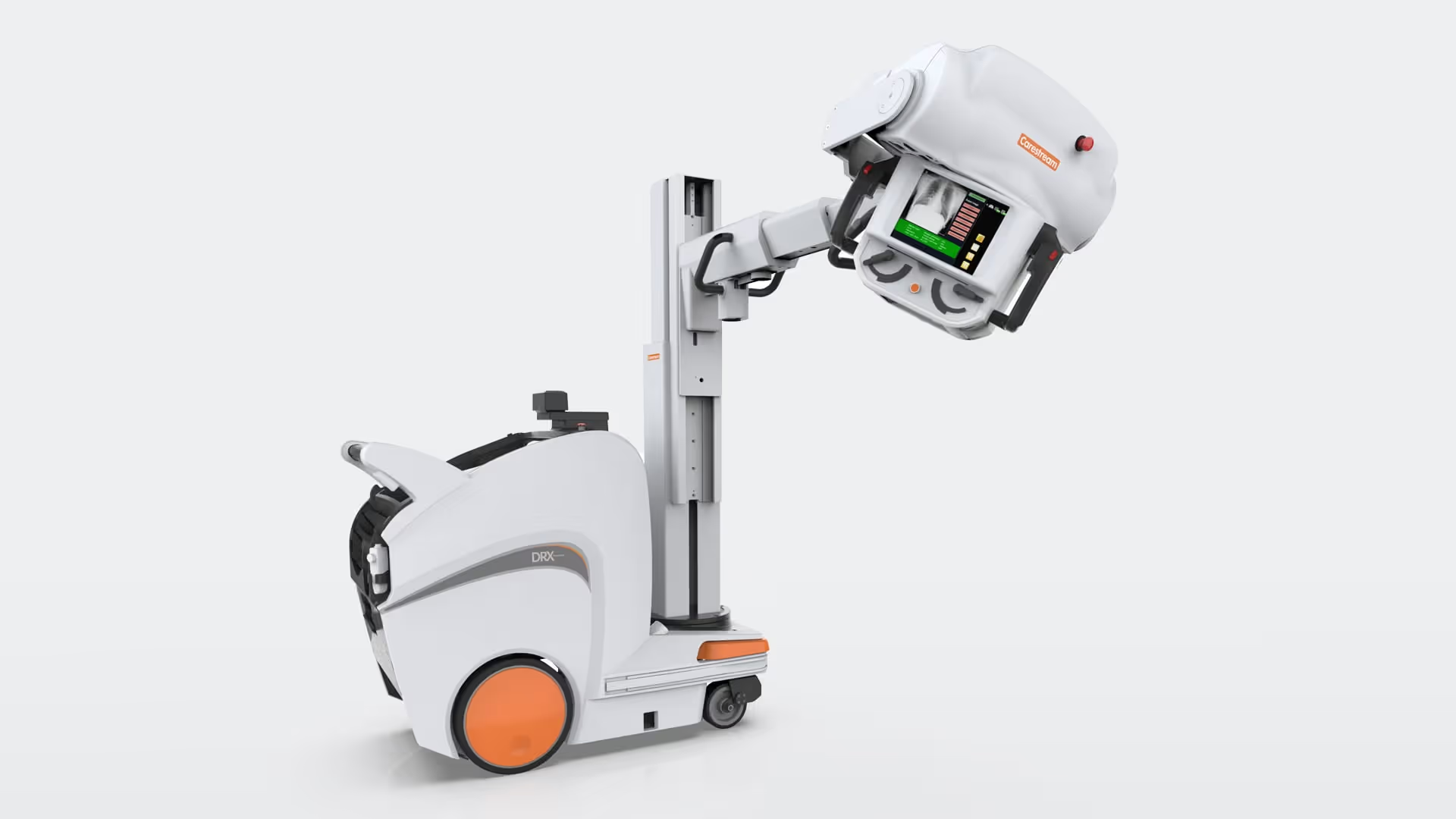
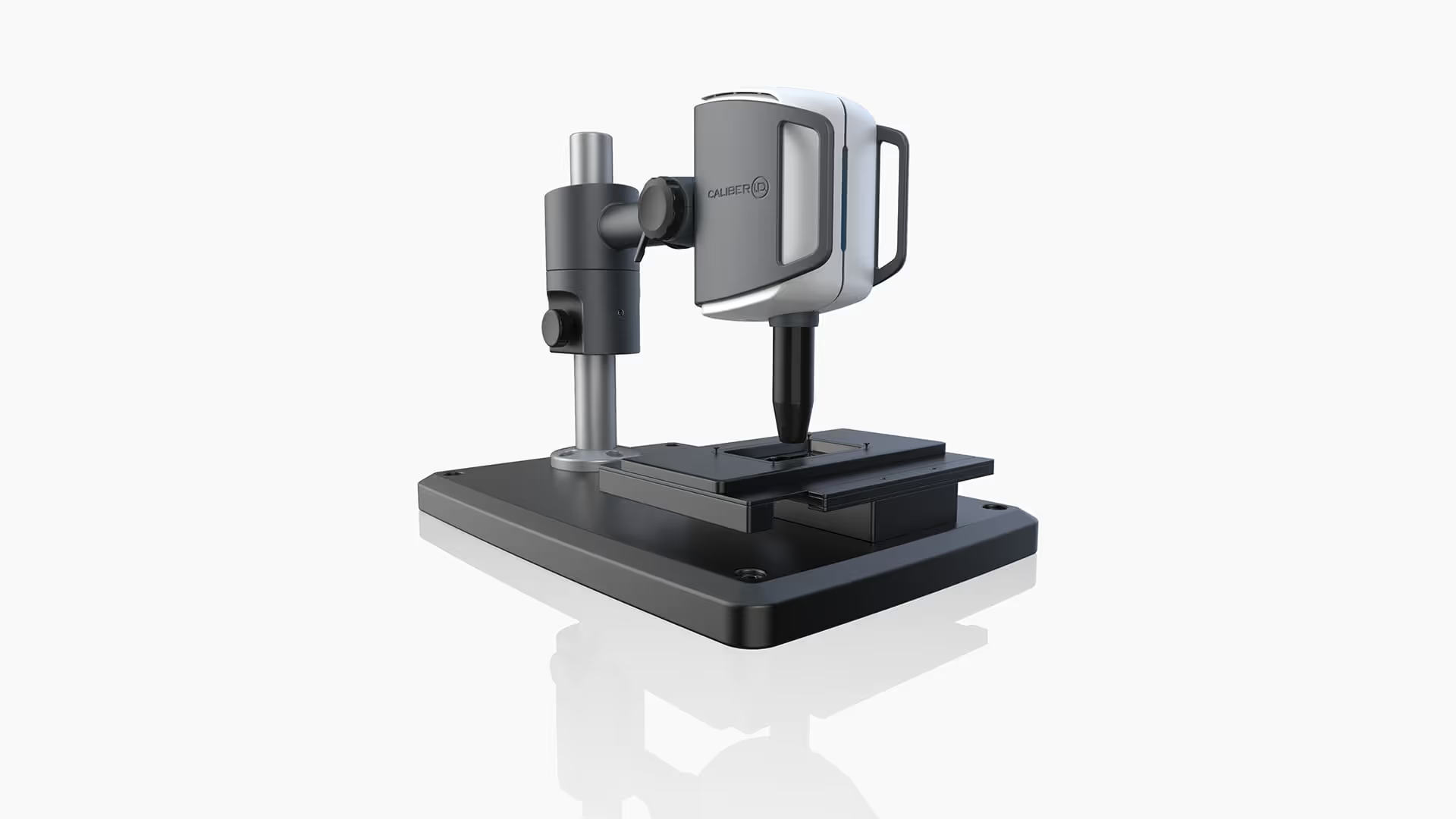
Design is more than aesthetics. KEK partners with healthcare innovators to transform complex technologies into intuitive, human-centred products, that integrate into clinical environments.
For decades, KEK has helped healthcare innovators turn ambitious ideas into devices that hold up in the real world. Together with our clients, we're working toward a healthier, more human future—designing medical products that are as dependable as they are thoughtful.
Our Process
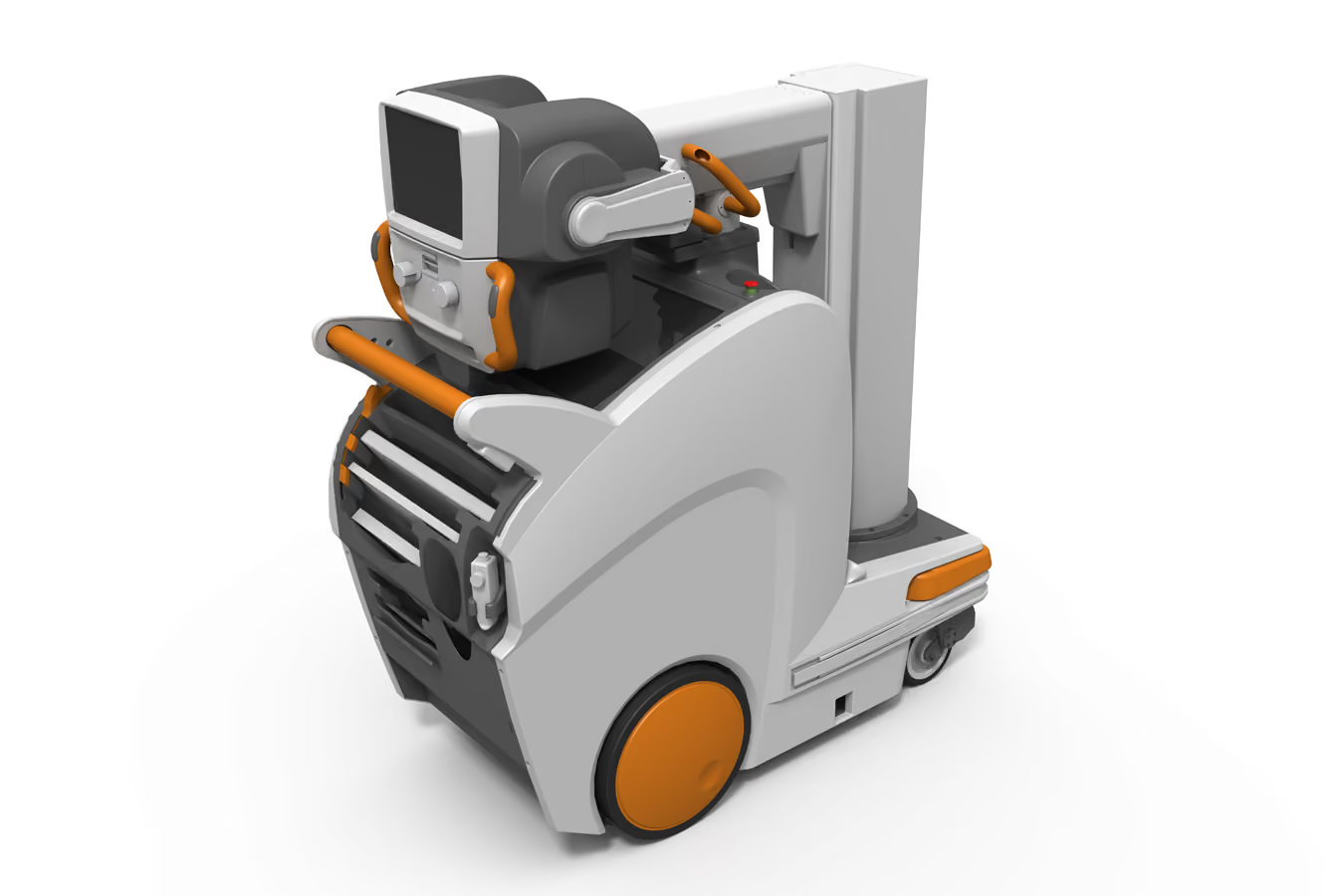
Design that Moves you Forward
Working is just the starting point. We partner with teams at every stage, from early concept to finished device, refining how each product is built, used, and proven in the real world, so it doesn't just function, it excels.
Areas of Expertise

Models and Prototypes
We build models that move beyond appearance—tools that validate function, assembly, and real-world use. From quick iterations to refined prototypes, each step is designed to uncover issues early and push ideas forward with confidence.
.avif)
Usability Testing
We observe how people actually interact with products, identifying friction points that aren't visible on paper. These insights directly inform design decisions, ensuring products feel intuitive, safe and easy to use.

Mechanical and Electrical Engineering
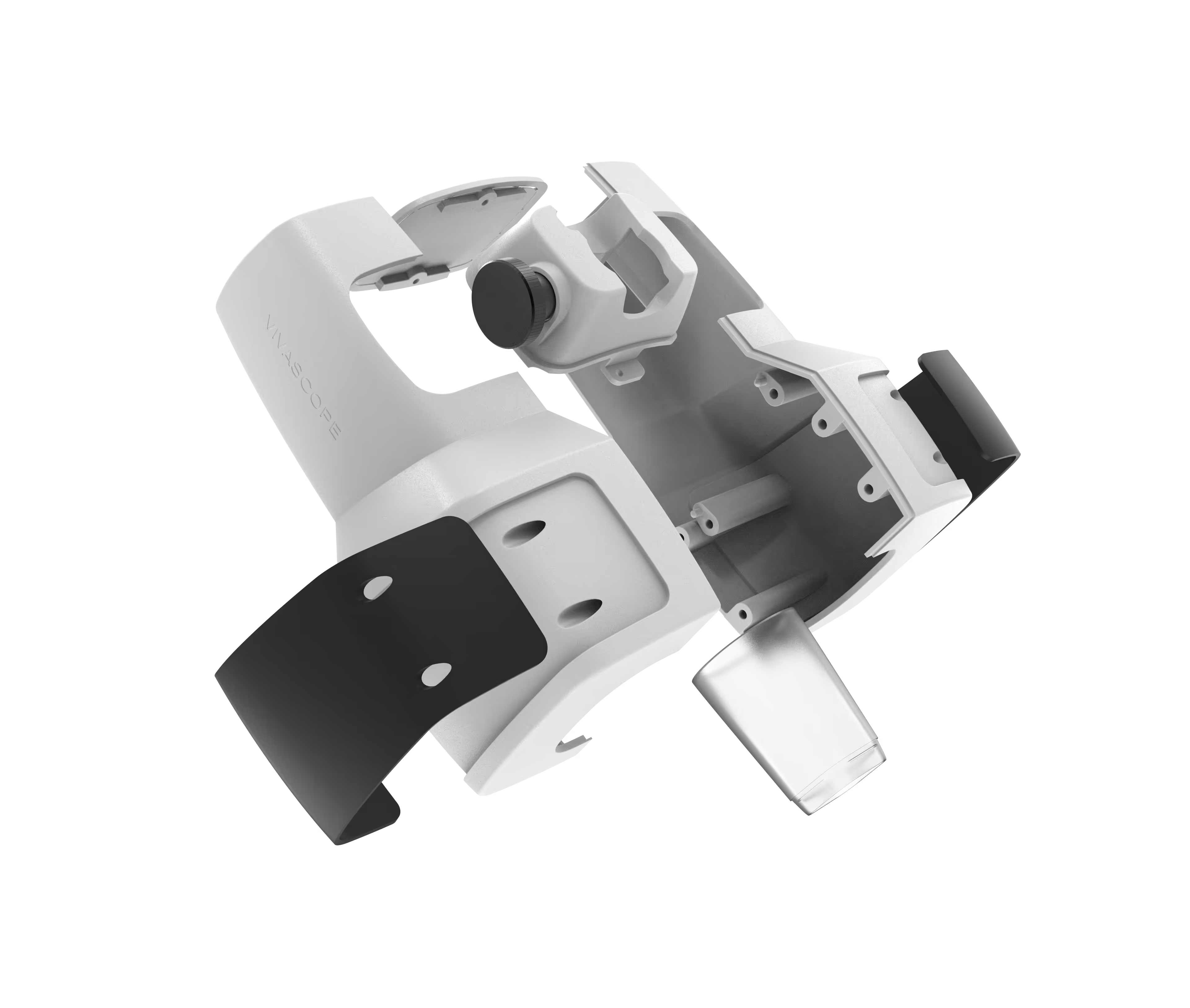
Our team integrates mechanical and electrical systems from the start, ensuring designs are not only functional but manufacturable. We resolve constraints early, aligning performance, reliability, and production realities.
.avif)
Instructions for Use (IFUs)
We design IFUs that communicate clearly in critical moments. By simplifying complex actions into intuitive steps, we reduce user error and support safe, effective product use.
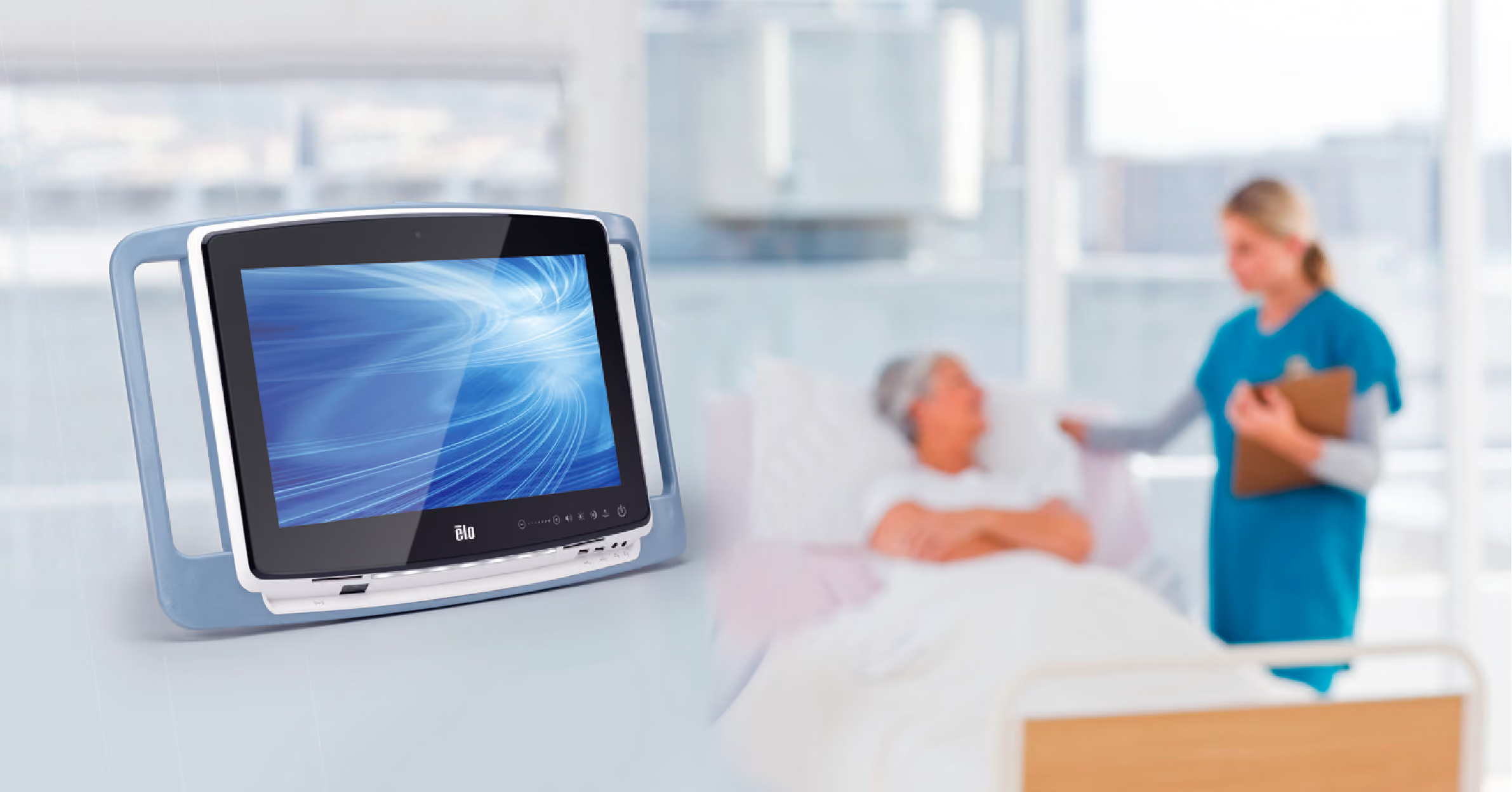
Human Factors Engineering
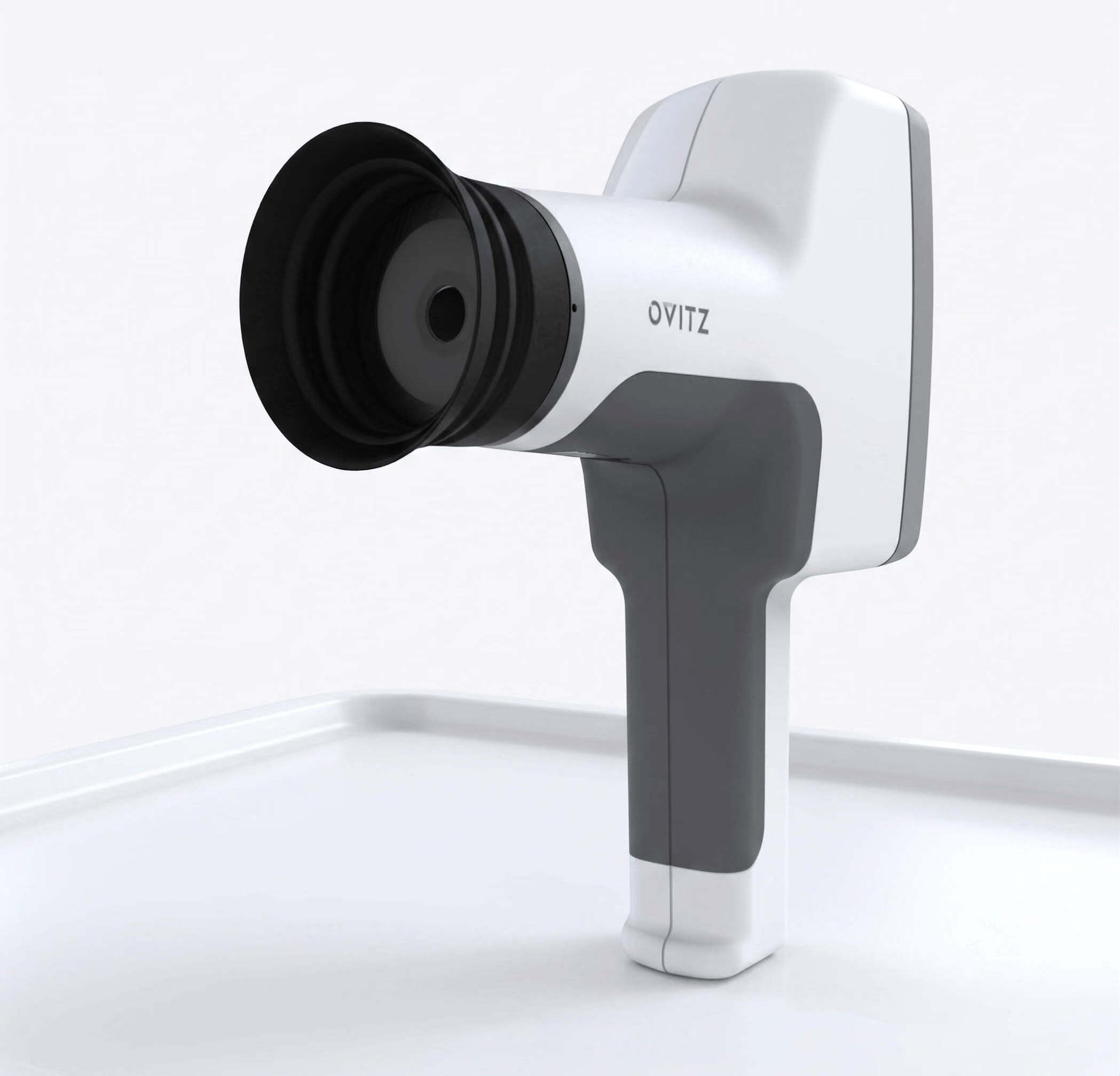
We design with the human body in mind, shaping products that feel natural and reduce strain over time. Every interaction is considered to improve comfort, control, and long-term usability.
.avif)
UI/UX
We create interfaces that guide users without confusion or hesitation. By focusing on clarity and flow, we ensure digital interactions support the product experience rather than complicate it.
We're Always Looking for a challenge
From concept to manufacturable — hardware design that actually works in the real world.